











Most homeowners look at their roof the way they look at their foundation: rarely, and only when something goes wrong. That’s understandable – roofs are out of sight, and a roof that isn’t leaking feels like a roof that’s fine. But roofs don’t fail suddenly. They fail gradually, and by the time water reaches a ceiling, the damage above it has usually been developing for months or years.
A professional roof inspection is how you find out what’s happening up there before it becomes a problem. This guide covers what a roof inspection actually is, what a qualified roofer looks at, when you should schedule one, and what to expect from the report – based on more than three decades of inspecting roofs across Chicago and its suburbs at All Roofs Inc.
What Is a Roof Inspection?
A roof inspection is a systematic evaluation of a roof’s condition by a trained roofing professional. It covers not just the visible surface but the entire roofing system: shingles or panels, underlayment, flashing, ventilation, drainage, penetrations, and the structure beneath. The goal is to identify existing damage, developing weaknesses, remaining lifespan, and anything that needs attention now versus later.
A thorough inspection produces a documented assessment – typically with photos – that tells you what condition the roof is in, what (if anything) should be repaired, and roughly how much life the roof has left.
It’s worth being clear about what a roof inspection is not:
- It is not the same as a general home inspection. Home inspectors evaluate roofs from the ground or a ladder, note obvious problems, and recommend a roofing specialist for anything concerning. They rarely walk the roof or enter the attic specifically for roofing issues.
- It is not the same as a drive-by or “free roof check” from a door-to-door salesperson after a storm. Those visits often exist to sell a replacement, not to assess a roof.
- It is not something that can be done reliably from the ground with binoculars. Many of the most serious defects – cracked pipe boots, lifted shingle seals, soft decking, failed flashing – are invisible from below.
What a Roofer Checks During an Inspection
A complete roof inspection has four parts: the exterior surface, the roof’s edges and accessories, the penetrations, and the interior (attic). Here is what a qualified inspector from All Roofs Inc. evaluates in each.
The roof surface
- Shingle condition – curling, cupping, cracking, blistering, or missing shingles. Loss of granules (the “sandpaper” coating) exposes the asphalt to UV and accelerates aging.
- Granule accumulation in gutters – a reliable sign of shingles nearing the end of their life.
- Seal strip integrity – whether shingles are still bonded to the course below. Unsealed shingles lift in wind and let water blow underneath.
- Hail impacts – bruises, dents, and granule loss in a random pattern across the roof. See how hail damages your roof.
- Wind damage – creased, torn, or missing shingles, especially along ridges, hips, and edges.
- Moss, algae, and debris – biological growth that holds moisture against the roof.
- Sagging, dips, or uneven planes – potential signs of structural or decking problems.
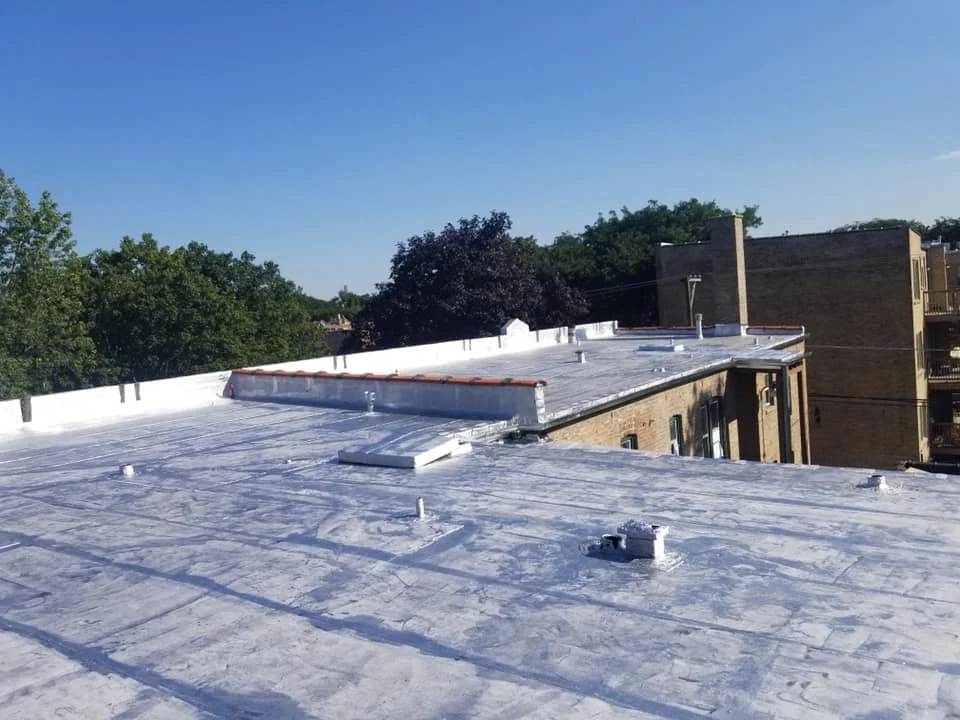
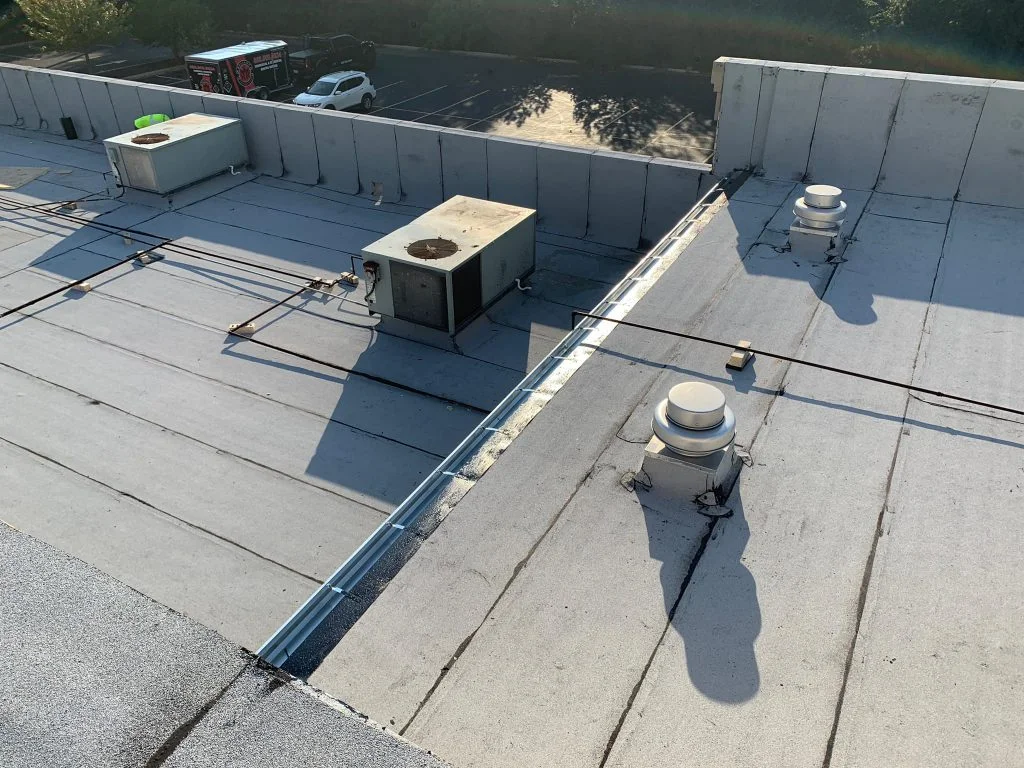
- For flat and low-slope roofs – ponding water, membrane seams, blisters, alligatoring, and the condition of any coating.
- For metal roofs – fastener condition, panel movement, sealant at seams, and corrosion.
Flashing and penetrations
This is where experienced inspectors spend extra time, because it’s where most leaks begin.
- Chimney flashing – step, base, and counter flashing; the cricket; the condition of mortar and the chimney crown.
- Vent pipe boots – cracked or split rubber collars.
- Skylights – flashing kit, seals, and the condition of the glazing.
- Roof-to-wall intersections – step flashing and kick-out flashing.
- Valleys – the metal or shingle condition in the areas that carry the most water.
- Exhaust vents, satellite mounts, solar attachments – anything added after the roof was installed.
For a full breakdown of what flashing does and why it fails, see our guide to roof flashing.
Edges, drainage, and ventilation
- Drip edge – present, properly installed, and in good condition.
- Fascia and soffit – rot, staining, or damage indicating water getting past the roof edge.
- Gutters and downspouts – attachment, pitch, blockages, and signs of overflow. Our gutter services address problems found here.
- Ridge vents, soffit vents, and attic fans – whether the roof has adequate intake and exhaust ventilation. Poor ventilation shortens shingle life and is a major contributor to ice dams in our climate.
The attic and interior
A roof inspection that skips the attic is incomplete. From inside, the inspector checks:
- Water staining on rafters, sheathing, or insulation.
- Daylight visible through the roof deck.
- Wet or compressed insulation.
- Mold or mildew on the underside of the decking.
- Condensation and frost (in winter) – signs of ventilation or air-sealing problems.
- Rusted nail tips (“shiners”) – a sign of chronic condensation.
- Sagging or delaminated sheathing.
- Interior ceilings and walls – stains, peeling paint, or bubbling that trace back to a roof issue.
When Should You Have Your Roof Inspected?
On a regular schedule. Most roofing professionals, including the National Roofing Contractors Association, recommend a roof inspection at least once a year – and in a climate like Chicago’s, with hail in spring, severe thunderstorms in summer, and ice dams in winter, twice a year (spring and fall) is a sound approach. Regular inspections are the single most effective way to prolong the life of your roof.
After a major storm. Any storm with hail, high winds (roughly 50+ mph), or fallen branches warrants an inspection, even if nothing looks wrong from the ground. Storm damage is frequently invisible from below and, importantly, insurance policies typically set deadlines for filing claims. Our page on leaking roofs and storm damage explains what we look for.
Before buying or selling a home. A dedicated roofing inspection gives buyers real information about a major expense, and gives sellers the chance to fix problems before they show up in negotiations.
When the roof reaches 15–20 years. Asphalt roofs installed in the Chicago area typically last 20–25 years. Once a roof passes the 15-year mark, annual inspections become important to plan for replacement rather than be surprised by it. Not sure how old yours is? Read how to tell how old a roof is.
When you notice warning signs. Stains on a ceiling, granules in the gutters, shingles in the yard after a windy day, higher heating or cooling bills, or ice dams forming at the eaves all justify a call.
Before filing an insurance claim. A documented inspection with photos is the foundation of a successful claim. More on that below.
After any work is done on the roof. Solar installation, satellite dish mounting, chimney repair, or HVAC work can all damage roofing.
Roof Inspections and Insurance Claims
If your roof has been damaged by wind, hail, or a fallen tree, a professional inspection serves a second purpose: it documents the damage in the form insurance companies need.
Insurance adjusters don’t automatically find every problem, and they don’t work for you. A detailed inspection report from a roofing contractor – with dated photographs, measurements, and a clear explanation of what was damaged and how – makes an enormous difference in how a claim is evaluated.
All Roofs Inc. goes one step further. We provide public adjuster assistance to our customers, helping prepare the documentation, meeting the insurance company’s adjuster on site, and advocating for full coverage of the damage. Many of our customers’ claims have been approved in full because the inspection and paperwork were done right the first time. For an overview of what’s typically covered, see Is roof repair covered by insurance for leaks, wind, and hail damage?
What You Get After the Inspection
A professional inspection should end with more than a handshake. At All Roofs Inc., every inspection results in:
- A clear condition summary – what’s in good shape, what’s worn, and what’s damaged.
- Photo documentation – so you can see what we saw without climbing a ladder.
- Prioritized recommendations – urgent repairs, items to watch, and maintenance suggestions.
- An honest assessment of remaining life – whether the roof has years left or is approaching replacement.
- A written estimate for any recommended work, with no hidden costs.
Our recommendations follow a simple principle: if a roof repair will solve the problem, we’ll say so. If the roof has reached the point where repairs no longer make sense, we’ll explain why and walk you through roof replacement options. Our article on how to tell if your roof needs replacement outlines the signs we weigh.
Why a Professional Inspection – Not a Ladder and a Look
Homeowners sometimes ask whether they can inspect the roof themselves. From the ground and from inside the attic, you can and should keep an eye out for the warning signs listed above. But there are real reasons the actual inspection belongs to a professional:
Safety. Roofing is consistently among the most dangerous trades, and falls from residential roofs are a leading cause of serious home-related injuries. Steep pitches, wet or icy surfaces, brittle shingles, and hidden soft spots are hazards experienced roofers manage every day.
Walking a roof can damage it. Stepping on aged or hot shingles scuffs granules, and stepping on the wrong spot on a low-slope or flat roof can crack a membrane or brittle decking.
Knowing what to look for. The difference between a hail bruise and normal blistering, between cosmetic and functional wind damage, or between a chimney crown problem and a flashing problem is not obvious. Misdiagnosing a leak means paying to fix the wrong thing.
Documentation. A professional report has weight – with insurance companies, in a real-estate transaction, and with manufacturers when warranty coverage is in question.
Access to the fix. An inspector who is also a licensed, bonded roofing contractor can schedule the repair immediately rather than sending you to find someone else.
How to Choose a Roof Inspector
Not every inspection is equal. When choosing who inspects your roof:
- Verify licensing and insurance. Illinois requires roofing contractors to be licensed (All Roofs Inc. license #104.031891). Ask for proof of liability insurance and workers’ compensation.
- Look for local, established companies. Contractors with decades in the Chicago area understand the specific wear patterns our winters and storms create – and will still be here if something needs follow-up.
- Ask whether the inspection includes the attic. If the answer is no, keep looking.
- Ask for photos. A reputable inspector documents what they find.
- Be cautious of unsolicited post-storm visits. Out-of-town “storm chasers” often appear after severe weather, pressure homeowners into signing contracts, and disappear before warranty issues arise.
- Check reviews and accreditation. All Roofs Inc. is BBB A+ rated with hundreds of Google reviews from homeowners across Chicagoland.
Roof Inspection Checklist: What to Have Ready
To get the most from an inspection, it helps to have a few things on hand:
- The approximate age of the roof and who installed it (if known).
- Any warranty paperwork from the shingle manufacturer or the installer.
- Dates of recent severe weather in your area.
- Notes on where and when you’ve noticed leaks, stains, drafts, or ice dams.
- Your homeowner’s insurance policy, if storm damage is suspected.
Frequently Asked Questions
How long does a roof inspection take? For a typical single-family home, 45 minutes to 1.5 hours including the attic. Larger homes, complex rooflines, and commercial buildings take longer.
Do I need to be home? It’s helpful but not required for the exterior. Attic access does require someone to let the inspector in, and we recommend being present so we can walk you through the findings.
Is a roof inspection free? All Roofs Inc. provides free on-site inspections and estimates for homeowners and businesses throughout our service area.
Will an inspection damage my roof? Not when done by an experienced roofer who knows where and how to walk on different roofing materials.
What if the inspector finds active leaks? We can address urgent problems immediately. Our 24/7 emergency roofing team handles active leaks and storm damage, including temporary protection until the permanent repair is completed.
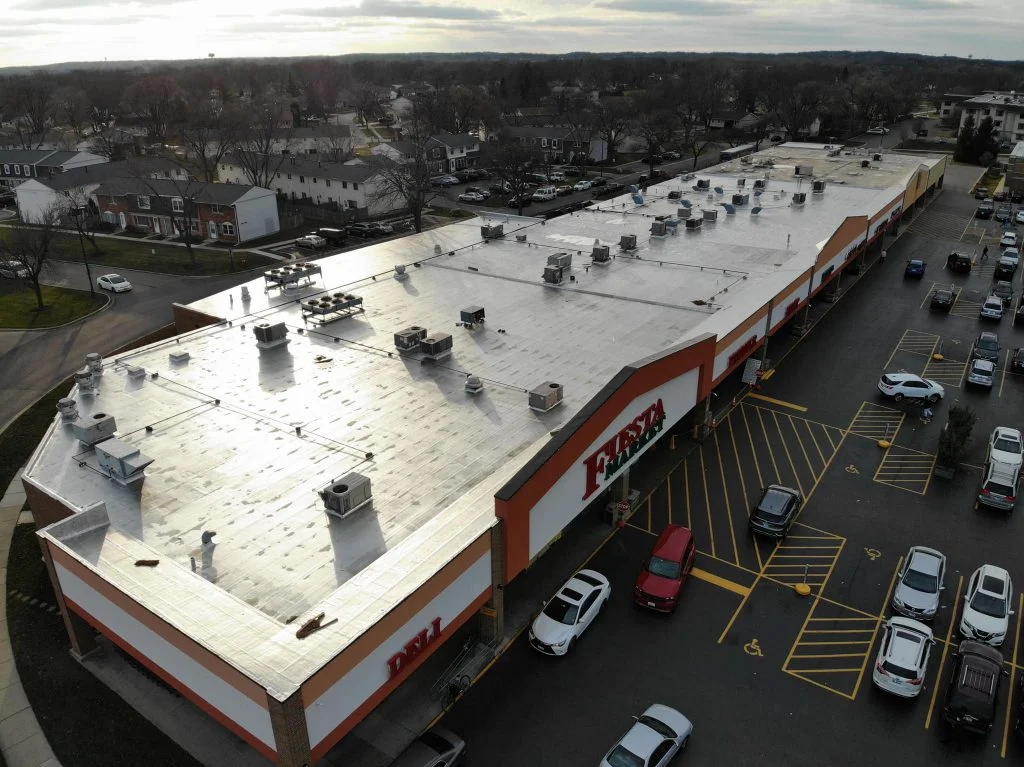
Can you inspect flat or commercial roofs? Yes. All Roofs Inc. inspects and services both residential and commercial roofing systems, including flat, low-slope, metal, and built-up roofs.
Schedule Your Free Roof Inspection
A roof inspection is the least expensive thing you can do for the most expensive part of your home’s exterior. Whether your roof is due for its annual check, a storm just passed through, or you’ve spotted a stain you can’t explain, All Roofs Inc. will inspect it thoroughly, document what we find, and give you a straight answer about what it needs.
Contact us online or call (866) 205-8833 to schedule a free inspection anywhere in Chicago and the surrounding suburbs.
Related reading: